
The Restaurant Review System Is Broken and We All Know It (But We're Going Anyway)

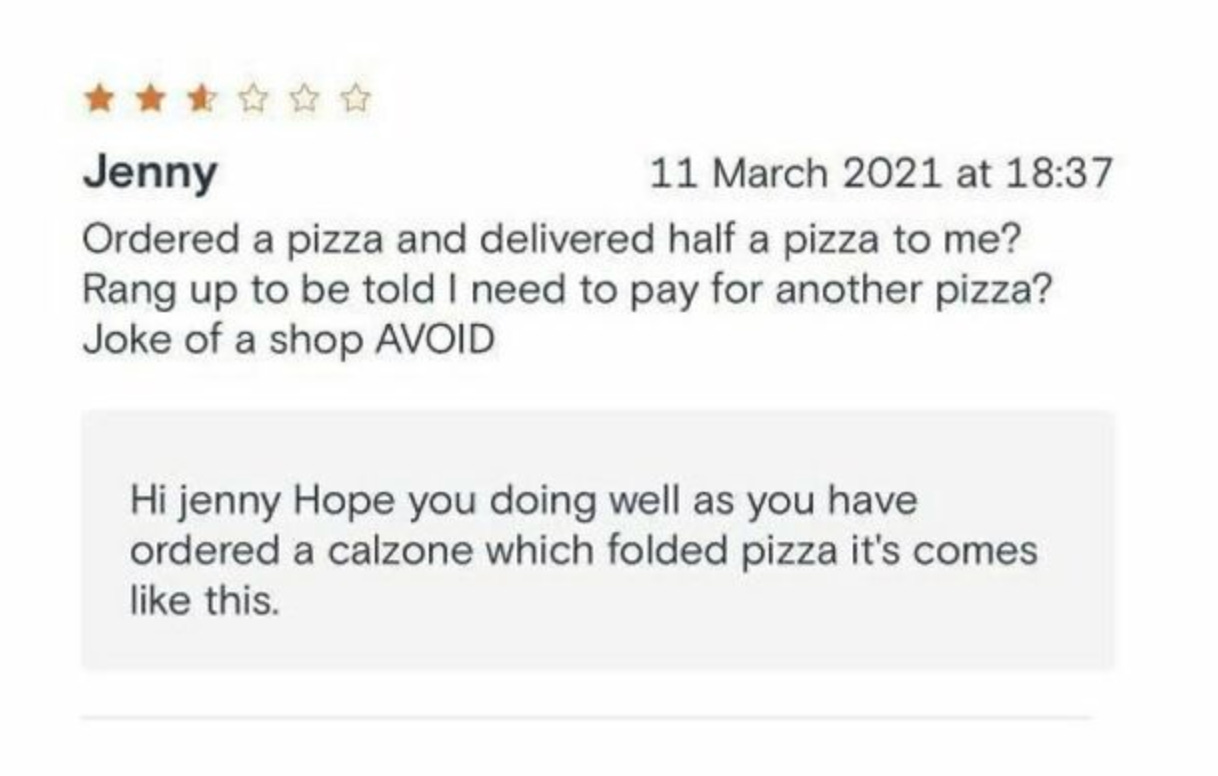
I was on a work trip a few weeks ago and it was dinner time. So my teammates and I needed to find a place that was good and close. In 2026 this means we immediately pulled out our phones and started scrolling through Google and Yelp reviews like archaeologists examining ancient tablets for clues about whether the pasta would be al dente or a crime against Italy.
This is what passes for decision-making in modern life.
And here’s where it gets interesting: we have collectively agreed, as a society, on a very specific rating that restaurants must achieve to be considered legitimate. Not five stars. Oh no, that’s clearly fake. Nobody’s that good. A perfect rating screams “the owner’s cousin wrote all these reviews from different email accounts.” And certainly not one star, because we’re not masochists.
No, the magic number is 4.3 to 4.6. That’s the sweet spot where a restaurant is good enough to trust but flawed enough to be believable. We also require at least 300 reviews, because we are nothing if not rigorous about our pseudoscience.
Think about that for a second. We’ve built an entire system where perfection is suspicious and mediocrity is unacceptable, so we’ve all silently agreed to trust only the narrow band of ratings that suggests “pretty good but with some haters.” This is the logic we’re using to decide where to spend forty dollars on moo shu pork.
But let’s talk about when people actually write reviews, because this is where the whole house of cards starts to wobble. In my experience, I write a review under exactly three circumstances: (1) I’m so angry I could spit, (2) I’m so delighted I want to marry the chef, or (3) the server asked me to review them and I’ve got some spare time.
Notice what’s missing from that list? “I had a perfectly fine meal that met my reasonable expectations.”
Nobody writes that review. Nobody fires up Yelp after an adequate steak to report: “The food was fine. The service was acceptable. I have no strong feelings either way.” That review doesn’t exist. So what we’re left with is a dataset composed entirely of people at emotional extremes, plus a handful of people who had some spare time and were cajoled into writing a review because the server flashed a pretty smile.
This is the foundation we’re building our dinner plans on.
Restaurants are living organisms—staff turns over, quality fluctuates, menus evolve—the only constant is the restaurant you go to today will most certainly not be the one you go to tomorrow.
Why would a review from last month be more trustworthy than one from last year? Because it’s recent? What if something changed yesterday? What if the good chef is on vacation and they’ve got the backup guy working tonight? What if—and here’s a thought—the person who wrote that glowing review just has terrible taste?
Here’s the really absurd part: we’ll dismiss a five-star review as potentially fraudulent, but we’ll absolutely believe a one-star review is the gospel truth.
Why?
What makes us think angry people are more honest than happy people? Have you met angry people? They’re not known for measured, objective assessments of reality.
Does this system actually help us pick the best restaurant? Of course not. We’re scrolling through reviews written by strangers having the worst or best nights of their lives, trying to predict our own future based on someone else’s past, and hoping the 4.4-star rating means something more than “enough people were sufficiently motivated by emotion or boredom to type some words into their phones.”
And then we’re going to dinner anyway.
Because what else are we supposed to do?